Improving support [PCP1] for women experiencing gender-based violence requires understanding how existing services respond in practice. In Sarajevo Canton, a new research initiative is helping generate evidence that can strengthen coordination, professional capacities, and long-term support systems
Foundation of Local Democracy, together with its partners: Solidarity Foundation University of Barcelona, University of Sarajevo (UNSA), the Ministry of Labour, Social Policy, Displaced Persons and Refugees of Canton Sarajevo, and the Ministry of Science, Higher Education and Youth of Canton Sarajevo, with the financial support of the City of Barcelona, is implementing the project “From Cooperation to Action: Improving the System of Care for Victims of Gender-Based Violence in Sarajevo - Phase 1.”
The project aims to contribute to the protection of women’s fundamental right to live free from violence through the development of a more efficient, coordinated, and sustainable support system for victims of gender-based violence in Sarajevo. One of the project’s key activities is research focused on examining how social protection services currently respond to gender-based violence and domestic violence.
Listening to professionals on the front line
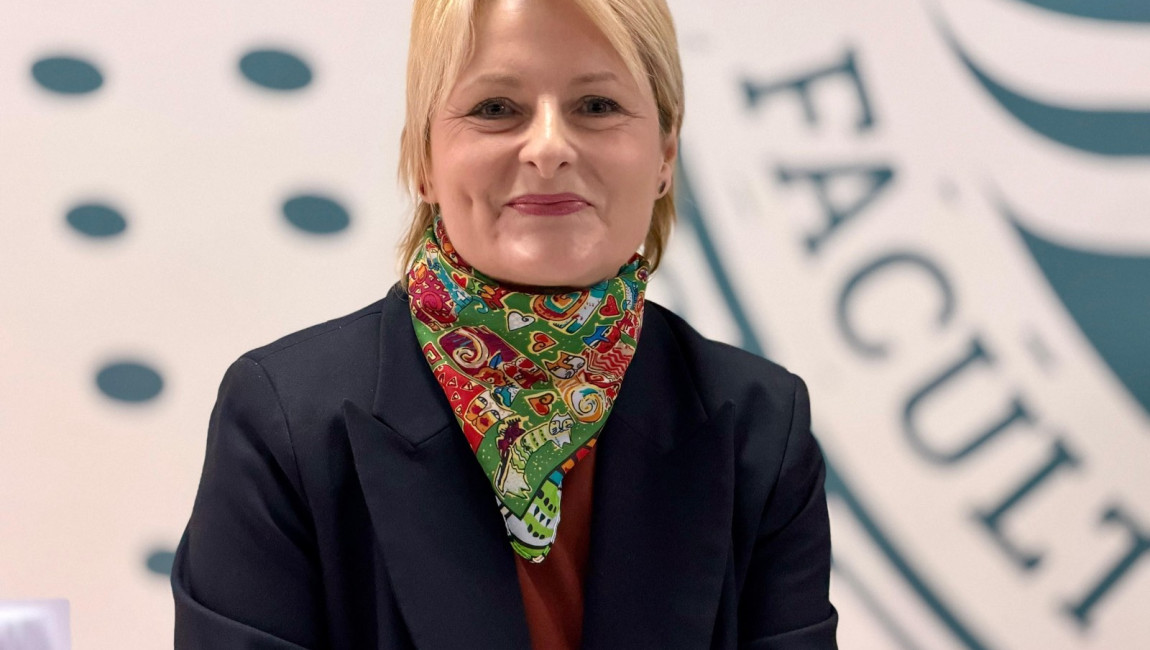
An online questionnaire, containing carefully developed questions for professionals working within social protection services in Canton Sarajevo, was prepared by the team from the Department of Social Work at the Faculty of Political Sciences, University of Sarajevo, led by Professor Sanela Bašić, PhD.
“Through the experiences and perspectives of professionals who work daily with victims of violence, the research will provide insight into the real challenges, needs, and existing professional practices within the social protection system. The particular significance of this research lies in the fact that it enables project recommendations and future activities to be based on empirical data and the experiences of practitioners, rather than solely on theoretical assumptions. Broad participation by professionals contributes to the credibility and representativeness of the data, which is of great importance for the development of quality educational content, the improvement of interinstitutional cooperation, and the creation of sustainable recommendations for enhancing the support system for victims of violence”- explains Prof. Bašić.
What do we expect to learn?
The research is still ongoing and will include five professionals from each social protection service in Canton Sarajevo who have experience working with victims of violence during their professional careers.
“We expect the research to show the extent to which professionals recognize different forms of violence, how they assess risk, to what degree they apply a trauma-informed approach, and which types of support and interventions they most commonly use in practice. The results should also highlight the key obstacles professionals face, such as a lack of time, resources, specialized services, training, or interinstitutional coordination, as well as the barriers victims themselves encounter when accessing support and protection” - says Prof. Bašić.
In parallel with the survey research, focus group interviews with service users and professionals are also planned. These focus groups will enable a deeper understanding of experiences, needs, and challenges that cannot be fully captured through a survey questionnaire alone.
Turning evidence into action
Following the collection and analysis of data, the next phase of the project will involve interpreting the findings and using them to develop concrete recommendations and activities aimed at improving the support system for victims of gender-based violence.
The results obtained will serve as a basis for:
• identifying priority areas for strengthening professional capacities,
• developing educational and training materials for professionals,
• improving risk assessment and safety planning procedures,
• strengthening interinstitutional cooperation,
• and creating recommendations for improving policies and practices within the social protection system.
By combining research, institutional cooperation, and the experiences of professionals and service users, the project seeks to create a stronger and more sustainable response to gender-based violence.